

.png)
Por qué somos la opción ideal para tu safari de dos días en Tanzania
✅ Operador turístico autorizado
✅ Paquetes con todo incluido
✅ Excelentes opiniones de los clientes
¿En qué consiste un safari de dos días por Tanzania?
Un safari de dos días por Tanzania es una breve aventura de observación de la fauna salvaje pensada para los viajeros que desean descubrir los famosos parques nacionales de Tanzania en un plazo de tiempo limitado. Con una duración habitual de una noche y dos días, este tipo de safari ofrece una oportunidad concisa pero gratificante para explorar los mejores destinos, como el Serengeti, el cráter del Ngorongoro y el Parque Nacional de Tarangire.
A pesar de su corta duración, un safari de dos días bien planificado permite realizar varias excursiones para avistar animales, en las que los visitantes pueden observar una gran variedad de fauna salvaje, como leones, elefantes, jirafas, cebras y, en algunos casos, incluso a los «Cinco Grandes».
Lo más destacado del safari
Un safari de dos días por Tanzania es una aventura breve pero emocionante que te permite conocer de primera mano la fauna y los paisajes de Tanzania en un tiempo limitado. Es perfecto para los viajeros que desean vivir una experiencia de safari rápida mientras visitan Zanzíbar o se alojan en Arusha.
Puntos de inicio flexibles
Comienza tu safari desde Zanzíbar, Arusha o el Aeropuerto Internacional del Kilimanjaro
Opciones de viaje en avión o por carretera
Aprovecha al máximo tu tiempo con vuelos rápidos o disfruta de recorridos panorámicos por carretera por Tanzania
El gran partido es dentro de solo dos días
Contempla leones, elefantes, jirafas y muchos otros animales en parques de fama mundial como el Serengeti y el Ngorongoro
Varios niveles de comodidad
Elige entre campings económicos, alojamientos de gama media o experiencias de safari de lujo
Ideal para viajes cortos
Ideal para viajeros con poco tiempo o para quienes desean combinar un safari con unas vacaciones en la playa en Zanzíbar
¿Desde dónde puede comenzar un safari de dos días en Tanzania?
Una de las principales ventajas de un safari de dos días en Tanzania es la flexibilidad a la hora de elegir el punto de partida. Tanto si llegas desde el extranjero como si ya estás recorriendo Tanzania, puedes comenzar tu safari desde varios puntos clave, cada uno de los cuales ofrece diferentes ventajas en cuanto a duración del trayecto, coste y experiencia general.
Partiendo de Zanzíbar
Zanzíbar es uno de los puntos de partida más populares, sobre todo para los viajeros que combinan unas vacaciones en la playa con un safari.
→ Cómo funciona: Se toma un vuelo nacional corto desde Zanzíbar hasta parques como el Serengeti o cerca de Ngorongoro
→ Duración del viaje: ~1-2 horas en avión
El mejor tipo de safari: Safaris con traslado en avión
¿Por qué elegir Zanzíbar como punto de partida?
→ Una transición perfecta de la playa al campo
→ Ahorra tiempo en comparación con el ferry y el viaje por carretera
→ Ideal para recién casados y turistas que vienen a pasar una estancia corta
Partiendo de Arusha
La ciudad de Arusha es conocida como la capital de los safaris de Tanzania y la base principal para la mayoría de los safaris del circuito norte.
→ Cómo funciona: Comienza tu safari directamente por carretera hacia los parques cercanos
→Duración del trayecto:
Tarangire: ~2-3 horas
Ngorongoro: ~3–4 horas
→Mejor tipo de safari: Safaris económicos, de gama media, en grupo y de acampada
¿Por qué empezar por Arusha?
→ Amplia variedad de safaris y precios
→ No hace falta coger un avión (es más barato)
→ Logística sencilla y salidas diarias
Con salida desde el Aeropuerto Internacional del Kilimanjaro (JRO)
Para los viajeros internacionales, el Aeropuerto Internacional del Kilimanjaro es la principal puerta de entrada al circuito de safaris del norte de Tanzania.
→ Cómo funciona: Aterrizas en JRO y vas en coche o coges un vuelo corto a los parques cercanos
→ Duración del trayecto: Entre 1 y 3 horas hasta Arusha, y luego hasta los parques
→ El mejor tipo de safari: Safaris con alojamiento en lodges, safaris privados u opciones con traslado en avión
¿Por qué empezar por aquí?
→ Acceso directo tras la llegada de un vuelo internacional
→ Bien comunicado con el Serengeti, el Ngorongoro y Tarangire
→ Ideal para viajeros que vuelan a Tanzania expresamente para hacer un safari
Partiendo de Moshi (cerca del monte Kilimanjaro)
Situada cerca del monte Kilimanjaro, Moshi es otro punto de partida ideal, sobre todo para los escaladores que acaban de completar una ruta de senderismo.
→ Cómo funciona: Traslado de Moshi a Arusha y, a continuación, visita a los parques
→ Duración del trayecto: ~1-2 horas hasta Arusha
El mejor tipo de safari: Safaris privados o personalizados
¿Por qué elegir Moshi?
→ Ideal después de escalar el Kilimanjaro
→ Menos concurrido que Arusha
→ Fácil conexión con las rutas de safari
Lugares que visitar en un safari de dos días por Tanzania (Circuito del Norte)
Un safari de dos días por el Circuito Norte de Tanzania es un viaje breve pero muy gratificante. Se centra en los mejores parques nacionales cercanos a Arusha, donde se pueden ver muchos animales en poco tiempo sin tener que realizar largos desplazamientos.
A continuación se enumeran los principales parques que puedes visitar durante un safari de dos días:
Cráter del Ngorongoro
El cráter del Ngorongoro es uno de los mejores lugares de Tanzania para observar la fauna salvaje. Se trata de un gran cráter volcánico repleto de animales durante todo el año.
Aquí se pueden ver leones, elefantes, búfalos, cebras e hipopótamos. Además, es uno de los pocos lugares donde es posible avistar rinocerontes negros. Como los animales permanecen dentro del cráter, es fácil ver muchos de ellos en poco tiempo.
Las vistas también son muy bonitas, con llanuras verdes y altas paredes de cráter por todas partes.
Parque Nacional de Tarangire
El Parque Nacional de Tarangire es famoso por sus grandes manadas de elefantes y sus enormes baobabs.
Durante la estación seca, muchos animales acuden al río Tarangire para beber agua. Esto lo convierte en un lugar ideal para ver elefantes, jirafas, cebras, ñus y, a veces, leones.
El parque está menos concurrido que otros, por lo que podrás disfrutar de una experiencia de safari tranquila y en plena naturaleza.
Parque Nacional del Lago Manyara
El Parque Nacional del Lago Manyara es conocido por sus hermosos paisajes y su gran variedad de paisajes.
Es famoso por sus leones trepadores, aunque no siempre es fácil avistarlos. También se pueden ver elefantes, hipopótamos, monos y muchas aves, entre ellas flamencos cerca del lago.
Este parque es una buena opción si te gusta la naturaleza, las aves y los entornos verdes.
Parque Nacional del Serengeti
El Parque Nacional del Serengeti es uno de los parques de safari más famosos del mundo. Es conocido por sus extensas llanuras y su gran cantidad de animales salvajes.
Aquí podrás ver leones, guepardos, elefantes, jirafas y enormes manadas de ñus y cebras. Si tienes suerte, quizá también puedas presenciar la Gran Migración, en la que millones de animales se desplazan por las llanuras.
Aunque el Serengeti es muy extenso, se puede incluir en safaris cortos utilizando vuelos directos, sobre todo para los viajeros que disponen de poco tiempo.
Parque Nacional de Arusha
El Parque Nacional de Arusha es el más cercano a la ciudad de Arusha, por lo que es ideal si dispones de poco tiempo.
El parque cuenta con diversos paisajes, entre los que se incluyen bosques, lagos y vistas al monte Meru. Se pueden ver jirafas, cebras, búfalos y monos.
Además, es uno de los pocos parques en los que se pueden realizar safaris a pie o en canoa, lo que ofrece una experiencia diferente a la de los safaris en vehículo habituales.
Las mejores combinaciones de parques para un safari de dos días
Para aprovechar bien el tiempo, un safari de dos días suele incluir dos parques. Las combinaciones más populares son:
→ Parque Nacional de Tarangire + Cráter del Ngorongoro (muy popular)
→ Parque Nacional del Lago Manyara + Cráter del Ngorongoro
→ Parque Nacional de Arusha + Cráter del Ngorongoro
→ Parque Nacional de Tarangire + Parque Nacional del Lago Manyara
→ Parque Nacional del Serengeti (opción de llegada en avión)
Estas combinaciones te permiten ver diferentes animales y paisajes en poco tiempo.
Tipos de paquetes de safari de 2 días en Tanzania
Un safari de dos días por Tanzania se puede personalizar para adaptarse a diferentes estilos de viaje, presupuestos y expectativas. Tanto si buscas una aventura sencilla como una experiencia de lujo, hay una opción de safari diseñada para satisfacer tus necesidades, sin dejar de ofrecerte un excelente avistamiento de fauna salvaje en parques como el Parque Nacional de Arusha, el Parque Nacional del Serengeti, el Parque Nacional de Tarangire y el cráter del Ngorongoro.
I. Safari de acampada económico: sencillo y asequible
Un safari de acampada económico es la forma más asequible de descubrir la fauna de Tanzania sin renunciar a la esencia de la experiencia de un safari. Te alojarás en campings públicos, a menudo situados dentro o cerca de parques nacionales, donde podrás disfrutar de los sonidos de la naturaleza por la noche. El alojamiento es básico, con tiendas de campaña tipo cúpula, instalaciones compartidas y comidas preparadas por el cocinero del safari.
Esta opción es ideal para estudiantes, mochileros y viajeros aventureros que anteponen la experiencia a la comodidad. A pesar de su precio más económico, podrás disfrutar de safaris guiados y tendrás excelentes oportunidades de avistar fauna salvaje.
II. Safari en lodge de gama media: comodidad y buena relación calidad-precio
El safari en lodges de gama media ofrece un equilibrio perfecto entre comodidad y precio asequible. Te alojarás en cómodos lodges o campamentos de tiendas de campaña con habitaciones privadas, baño privado y pensión completa.
Esta opción es muy popular entre parejas, grupos reducidos y familias que desean disfrutar de una experiencia de safari relajada sin el coste que supone un viaje de lujo. Tras un día de safaris, regresas a un entorno confortable donde puedes relajarte y disfrutar de un servicio de calidad.
III. Safari de lujo: una experiencia de alto nivel
Un safari de lujo está pensado para viajeros que buscan exclusividad, comodidad y un servicio de primera categoría. El alojamiento incluye lodges de alta gama o campamentos de tiendas de lujo situados en zonas de gran interés para la observación de la fauna, a menudo con vistas excepcionales y un servicio personalizado.
Algunos paquetes de lujo también incluyen opciones de traslado en avión, lo que te permite evitar largos desplazamientos por carretera y aprovechar al máximo tu tiempo en los parques. Este tipo de safari es perfecto para recién casados, viajeros VIP o cualquiera que busque una experiencia única en la vida con el máximo nivel de comodidad.
IV. Safari privado: flexible y personalizado
Un safari privado te permite controlar totalmente tu experiencia. Viajarás en un vehículo privado con un guía exclusivo, lo que te permitirá marcar tu propio ritmo, elegir los parques que prefieras y dedicar más tiempo a los avistamientos de fauna que te interesen.
Esta opción es ideal para parejas, familias o grupos reducidos que valoran la privacidad, la flexibilidad y una experiencia de safari más personalizada.
Precio de un safari de dos días en Tanzania
El precio de un safari de dos días en Tanzania depende del tipo de safari, el nivel de comodidad, el número de viajeros y el lugar de partida. Los safaris que comienzan en Arusha suelen ser más económicos, mientras que los que parten de Zanzíbar pueden resultar más caros, ya que incluyen vuelos nacionales.
A continuación te ofrecemos una guía general de precios para ayudarte a entender las diferentes opciones:
1. Asequible / Camping Safari
Esta es la opción más económica y resulta ideal para los viajeros que se sienten cómodos con servicios básicos. Te alojarás en campamentos públicos y compartirás un vehículo de safari.
Rango de precios:
250-450 USD por persona (con salida desde Arusha)
600-900 USD por persona (con salida desde Zanzíbar, vuelos incluidos)
2. Safari de gama media (la opción más popular)
Esta opción ofrece un buen equilibrio entre comodidad y precio. Te alojarás en lodges o campamentos de tiendas de campaña con habitaciones privadas, comidas y un buen servicio.
Rango de precios:
450-800 USD por persona (desde Arusha)
900-1.300 USD por persona (desde Zanzíbar)
3. Safari de lujo
Los safaris de lujo ofrecen alojamientos de alta gama, un servicio de primera clase y mayor privacidad. Esta opción es perfecta para parejas en luna de miel o viajeros que buscan una experiencia de primer nivel.
Rango de precios:
Entre 800 y más de 1.500 USD por persona (desde Arusha)
Entre 1.400 y más de 2.500 USD por persona (desde Zanzíbar)
Importante:
Todas estas opciones de safari pueden comenzar desde diferentes lugares, dependiendo de dónde se aloje: ya sea en Zanzíbar, Arusha o a su llegada al Aeropuerto Internacional del Kilimanjaro. Siempre se pueden organizar traslados por carretera o vuelos nacionales para garantizar un comienzo fluido y cómodo de su safari.
En solo unos minutos, organiza tu safari: ¡rápido, fácil y sin necesidad de rellenar formularios! Sin comisiones y con respuesta inmediata.
Ejemplos de itinerarios de safaris de 2 días en Tanzania

Esta opción está pensada para los viajeros que se alojan en Zanzíbar y desean disfrutar de un safari en el continente sin tener que pasar mucho tiempo en el transporte. Suele incluir vuelos de ida y vuelta a parques como el Serengeti o el Ngorongoro.

Un safari con alojamiento en lodges ofrece un alojamiento cómodo en lodges de gama media o de lujo situados cerca o dentro de los parques nacionales. Es perfecto para quienes prefieren la comodidad y el descanso tras las excursiones de avistamiento de animales.
.jpg)
Un safari aéreo te permite evitar los traslados por carretera y aprovechar al máximo tu tiempo en el parque. Las salidas pueden realizarse desde Zanzíbar o Arusha, aterrizando directamente en las mejores zonas para observar la fauna.

Los safaris con acampada ofrecen una experiencia más aventurera y económica. Los viajeros se alojan en campings públicos o privados, a menudo en plena naturaleza, y disfrutan de comidas preparadas por cocineros especializados en safaris.
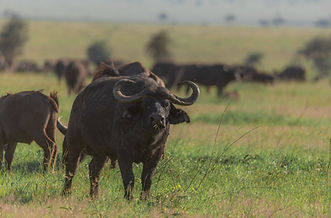
Se trata de una versión especializada del safari aéreo centrada exclusivamente en el Serengeti. Es ideal para aquellos viajeros cuya prioridad sea avistar grandes depredadores y la Gran Migración (en temporada).

En esta categoría, los viajeros comparten un vehículo de safari con otras personas, lo que ayuda a reducir los costes. Es una opción muy popular entre quienes viajan solos y entre quienes buscan una experiencia de safari en grupo.
Preguntas relacionadas sobre Safari de 2 días en Tanzania
1. ¿Qué fauna puedo esperar ver en un safari de 2 días?
En un safari de 2 días, puede esperar ver una gran variedad de animales salvajes, especialmente si visita parques como Ngorongoro y Tarangire:
Los Cinco Grandes: Estos emblemáticos animales (leones, elefantes, leopardos, búfalos y rinocerontes) suelen estar en la lista de imprescindibles para los amantes de los safaris. El Ngorongoro es especialmente bueno para verlos a todos en un solo día.
Otros mamíferos: Dependiendo del parque, también podrá ver jirafas, cebras, ñus, hipopótamos y guepardos. Tarangire es conocido por sus grandes manadas de elefantes y diversas especies de antílopes.
Avifauna: Tanzania cuenta con más de 1.000 especies de aves. El lago Manyara es famoso por su avistamiento de pelícanos, flamencos y diversas rapaces.
Paisajes únicos: Además de la vida salvaje, también experimentarás las características geográficas únicas de cada parque, desde las paredes del cráter del Ngorongoro hasta las vastas sabanas del Serengeti y los frondosos bosques del lago Manyara.
2. ¿Cuál es la mejor época del año para un safari de 2 días?
La mejor época para un safari de 2 días depende en gran medida de sus objetivos de observación de la fauna:
Estación seca (de junio a octubre): Se considera la temporada alta de safaris. Los animales son más fáciles de ver porque se congregan en torno a las fuentes de agua. También es la mejor época para ver la Gran Migración en el Serengeti. El tiempo es seco, por lo que los safaris son cómodos.
Estación húmeda (de noviembre a mayo): Aunque la observación de la fauna puede ser más difícil debido a la densa vegetación y la dispersión de las fuentes de agua, esta estación tiene sus ventajas. Es un buen momento para la observación de aves, ya que llegan muchas aves migratorias, y nacen crías de animales, lo que crea oportunidades para presenciar interacciones entre madres y crías.
3. ¿Es seguro hacer un safari de 2 días?
Sí, hacer un safari en Tanzania suele ser seguro, sobre todo si se reserva a través de operadores turísticos de confianza. He aquí algunas consideraciones de seguridad:
Guías profesionales: Los guías turísticos de Tanzania están formados para enfrentarse a la vida salvaje y conocen el comportamiento de los animales, lo que garantiza su seguridad. Conocen bien los parques y pueden mantenerle informado sobre los protocolos de seguridad.
Encuentros con la fauna: Los safaris se realizan desde vehículos, manteniendo una distancia de seguridad con los animales. Es esencial seguir las instrucciones del guía, como permanecer sentado en el vehículo y no dar de comer a los animales.
Salud y seguridad: Asegúrese de estar al corriente de las vacunas necesarias y tome precauciones contra la malaria. Es aconsejable viajar con un botiquín básico.
4. ¿Cuánto cuesta un safari de 2 días?
El coste de un safari de 2 días puede variar mucho en función de varios factores, como el tipo de alojamiento, los parques visitados, la época del año y el operador turístico.
Opciones económicas: Para los viajeros con presupuesto ajustado, los costes pueden oscilar entre 400 y 600 dólares por persona para safaris de acampada básicos, que incluyen transporte, comidas y tasas del parque.
Opciones de gama media: Los alojamientos de gama media cuestan entre 600 y 1.200 dólares por persona. Este precio suele incluir visitas guiadas, alojamiento en lodges y algunas comidas.
Opciones de lujo: Las experiencias de safari de alto nivel, incluidos los lodges de lujo y los campamentos de tiendas, pueden costar entre 1.200 y 2.500 dólares o más por persona, en función de las comodidades y los servicios ofrecidos.
Es esencial comparar paquetes y asegurarse de que incluyen todos los costes necesarios (como las tasas de los parques) para evitar sorpresas.
5. ¿Qué tipo de alojamiento está disponible durante un safari de 2 días?
Las opciones de alojamiento varían mucho en Tanzania, y su elección dependerá de su presupuesto y nivel de comodidad:
Lodges: Muchos lodges ofrecen una estancia cómoda con servicios como baño privado, ducha de agua caliente y comedor. Suelen ofrecer impresionantes vistas de los paisajes circundantes. Algunos ejemplos son el Ngorongoro Serena Lodge y el Tarangire Safari Lodge.
Campamentos de tiendas: Para una experiencia más envolvente, alójate en campamentos de tiendas, que ofrecen cómodas camas y baños privados y te permiten estar más cerca de la naturaleza. Los hay de todo tipo, desde los más lujosos hasta los más básicos.
Campings económicos: si viaja con un presupuesto limitado, existen campings en los que puede montar su tienda de campaña. Aunque son básicos, suelen ofrecer una experiencia de acampada más auténtica. Suelen disponer de instalaciones compartidas.
6. ¿Cuánto tiempo pasaré conduciendo o en safaris?
El equilibrio entre la conducción y el avistamiento de animales puede variar en función del itinerario, pero aquí tiene una idea general:
Recorridos: Los safaris duran entre 4 y 6 horas diarias, en las que se exploran los parques en busca de animales salvajes. Muchos safaris comienzan temprano por la mañana para capturar a los animales en sus horas de mayor actividad.
Tiempo de viaje: Dependiendo de los parques que elija, puede pasar de 2 a 4 horas viajando entre ellos. Por ejemplo, viajar de Arusha a Tarangire o Ngorongoro le llevará un par de horas. Elegir parques cercanos entre sí puede maximizar el tiempo de safari.
7. ¿Necesito un visado o vacunas especiales para un safari?
Sí, hay algunos requisitos de entrada y consideraciones sanitarias:
Visado: La mayoría de las nacionalidades necesitan visado para entrar en Tanzania, que a menudo puede obtenerse en línea o a la llegada al aeropuerto. Es aconsejable comprobar los últimos requisitos de visado según su nacionalidad.
Vacunas: Aunque no todas las vacunas son obligatorias, se recomienda vacunarse contra la fiebre amarilla si se llega de un país con riesgo. También se recomiendan otras vacunas, como la de la hepatitis A, la de la fiebre tifoidea y la del tétanos. Consulte en una clínica de viajes sus necesidades sanitarias específicas.
Prevención de la malaria: Dependiendo de la región que visite, considere la posibilidad de tomar medicación antipalúdica como medida preventiva. Consulte a su médico para que le recomiende la medicación en función de sus planes de viaje.