

.png)
Why We Are the Ideal Choice for Your 2 Day Tanzania safari tour
✅ Licensed Tour Operator
✅ All-Inclusive Packages
✅ Excellent Client Reviews
What is a 2 Day Tanzania Safari?
A 2 day Tanzania safari is a short wildlife adventure designed for travelers who want to experience Tanzania’s famous national parks within a limited timeframe. Typically lasting 1 night and 2 days, this type of safari offers a compact yet rewarding opportunity to explore best destinations such as the Serengeti, Ngorongoro Crater, and Tarangire National Park.
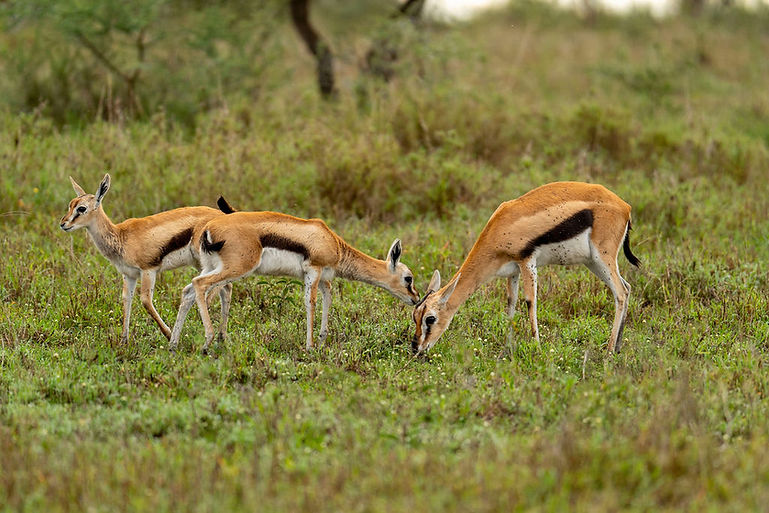
Despite the short duration, a well-planned 2-day safari allows for multiple game drives, where visitors can spot a wide range of wildlife including lions, elephants, giraffes, zebras, and, in some cases, even the Big Five.
Safari Highlights
A 2 day Tanzania safari is a short but exciting adventure that gives you a real taste of Tanzania’s wildlife and landscapes in just a limited time. It’s perfect for travelers who want a quick safari experience while visiting Zanzibar or staying in Arusha.
Flexible Start Points
Begin your safari from Zanzibar, Arusha, or Kilimanjaro International Airport
Fly-In or Road Options
Maximize your time with quick flights or enjoy scenic drives through Tanzania
Big Game in Just 2 Days
Spot lions, elephants, giraffes, and more in world-famous parks like Serengeti and Ngorongoro
Multiple Comfort Levels
Choose from budget camping, mid-range lodges, or luxury safari experiences
Perfect for Short Trips
Ideal for travelers with limited time or those combining safari with Zanzibar beach holidays
Where Can a 2 Day Tanzania Safari Start From?
One of the biggest advantages of a 2 day Tanzania safari is its flexibility in starting locations. Whether you’re arriving internationally or already exploring Tanzania, you can begin your safari from several key points; each offering different benefits in terms of travel time, cost, and overall experience.
Starting from Zanzibar
Zanzibar is one of the most popular starting points, especially for travelers combining a beach holiday with a safari.
→ How it works: You take a short domestic flight from Zanzibar to parks like Serengeti or near Ngorongoro
→ Travel time: ~1–2 hours by air
Best safari type: Fly-in safaris
Why choose Zanzibar as your starting point?
→ Seamless transition from beach to bush
→ Saves time compared to ferry + road travel
→ Ideal for honeymooners and short-stay visitors
Starting from Arusha
The city of Arusha is known as the safari capital of Tanzania and the primary base for most northern circuit safaris.
→ How it works: Start your safari directly by road to nearby parks
→Travel time:
Tarangire: ~2–3 hours
Ngorongoro: ~3–4 hours
→Best safari type: Budget, mid-range, group sharing, and camping safaris
Why start from Arusha?
→ Wide range of safari options and price levels
→ No need for flights (more affordable)
→ Easy logistics and daily departures
Starting from Kilimanjaro International Airport (JRO)
For international travelers, Kilimanjaro International Airport is the main gateway to northern Tanzania’s safari circuit.
→ How it works: You land at JRO and drive or connect to a short flight to nearby parks
→ Travel time: 1–3 hours to Arusha, then onward to parks
→ Best safari type: Lodge safaris, private safaris, or fly-in options
Why start here?
→ Direct access after international arrival
→ Well-connected to Serengeti, Ngorongoro, and Tarangire
→ Ideal for travelers flying into Tanzania specifically for safari
Starting from Moshi (Near Mount Kilimanjaro)
Located near Mount Kilimanjaro, Moshi is another convenient starting point, especially for climbers finishing a trek.
→ How it works: Transfer from Moshi to Arusha, then proceed to parks
→ Travel time: ~1–2 hours to Arusha
Best safari type: Private or customized safaris
Why choose Moshi?
→ Perfect after a Kilimanjaro climb
→ Less crowded than Arusha
→ Easy connection to safari routes
Where to Visit on a 2 Day Tanzania Safari (Northern Circuit)
A 2 day Tanzania safari in the Northern Circuit is a short but very rewarding trip. It focuses on the best national parks near Arusha, where you can see many animals in a short time without long travel.
Below are the main parks you can visit during a 2-day safari:
Ngorongoro Crater
Ngorongoro Crater is one of the best places in Tanzania to see wildlife. It is a large volcanic crater filled with animals all year round.
Here, you can see lions, elephants, buffalo, zebras, and hippos. It is also one of the few places where you may see a black rhino. Because animals stay inside the crater, it is easy to see many animals in a short time.
The views are also very beautiful, with green plains and high crater walls all around.
Tarangire National Park
Tarangire National Park is famous for its large groups of elephants and big baobab trees.
During the dry season, many animals come to the Tarangire River to drink water. This makes it a great place to see elephants, giraffes, zebras, wildebeest, and sometimes lions.
The park is less crowded than others, so you can enjoy a quiet and natural safari experience.
Lake Manyara National Park
Lake Manyara National Park is known for its beautiful scenery and different types of landscapes.
It is famous for tree-climbing lions, although they are not always easy to see. You can also find elephants, hippos, monkeys, and many birds, including flamingos near the lake.
This park is a good choice if you like nature, birds, and green environments.
Serengeti National Park
Serengeti National Park is one of the most famous safari parks in the world. It is known for its wide open plains and large numbers of wild animals.
Here you can see lions, cheetahs, elephants, giraffes, and huge herds of wildebeest and zebras. If you are lucky, you may also see the Great Migration, where millions of animals move across the plains.
Even though Serengeti is very large, it can still be included in short safari plans using fly-in options, especially for travelers with limited time.
Arusha National Park
Arusha National Park is the closest park to Arusha town, making it perfect if you have very little time.
The park has different landscapes, including forests, lakes, and views of Mount Meru. You can see giraffes, zebras, buffalo, and monkeys.
It is also one of the few parks where you can do walking safaris or canoeing, giving you a different experience from normal game drives.
Best Park Combinations for a 2 Day Safari
To use your time well, a 2-day safari usually includes two parks. Popular combinations are:
→ Tarangire National Park + Ngorongoro Crater ( Very Popular)
→ Lake Manyara National Park + Ngorongoro Crater
→ Arusha National Park + Ngorongoro Crater
→ Tarangire National Park + Lake Manyara National Park
→ Serengeti National Park (fly-in option)
These combinations help you see different animals and landscapes in a short time.
Types of 2 Day Tanzania Safari Packages
A 2 day Tanzania safari can be tailored to match different travel styles, budgets, and expectations. Whether you are looking for a simple adventure or a high-end experience, there is a safari option designed to suit your needs while still delivering excellent wildlife viewing in parks such as Arusha National Park, Serengeti National Park, Tarangire National Park and Ngorongoro Crater.
I. Budget Camping Safari – Simple and Affordable
A budget camping safari is the most economical way to experience Tanzania’s wildlife without compromising the core safari experience. You will stay in public campsites, often located inside or near national parks, where you can enjoy the sounds of nature at night. Accommodation is basic, with dome tents, shared facilities, and meals prepared by your safari cook.
This option is ideal for students, backpackers, and adventurous travelers who prioritize experience over comfort. Despite the lower price, you still enjoy guided game drives and excellent chances of seeing wildlife.
II.Mid-Range Lodge Safari – Comfort and Value
The mid-range lodge safari offers a perfect balance between comfort and affordability. You will stay in comfortable lodges or tented camps with private rooms, en-suite bathrooms, and full-board meals.
This option is popular among couples, small groups, and families who want a relaxed safari experience without the cost of luxury travel. After a day of game drives, you return to a comfortable setting where you can unwind and enjoy quality service.
III. Luxury Safari – High-End Experience
A luxury safari is designed for travelers seeking exclusivity, comfort, and premium service. Accommodation includes high-end lodges or luxury tented camps located in prime wildlife areas, often with exceptional views and personalized service.
Some luxury packages also include fly-in options, allowing you to avoid long drives and maximize your time in the parks. This type of safari is perfect for honeymooners, VIP travelers, or anyone looking for a once-in-a-lifetime experience with the highest level of comfort.
IV. Private Safari – Flexible and Personalized
A private safari gives you full control over your experience. You travel in a private vehicle with a dedicated guide, allowing you to set your own pace, choose your preferred parks, and spend more time at wildlife sightings that interest you.
This option is ideal for couples, families, or small groups who value privacy, flexibility, and a more personalized safari experience.
Cost of a 2 Day Tanzania Safari
The cost of a 2 day Tanzania safari depends on the type of safari, level of comfort, number of travelers, and where the safari starts. Safaris that start from Arusha are usually more affordable, while those starting from Zanzibar may cost more because they include domestic flights.
Below is a general price guide to help you understand the different options:
1. Budget / Camping Safari
This is the most affordable option and is ideal for travelers who are comfortable with basic facilities. You will stay in public campsites and share a safari vehicle.
Price Range:
USD 250 – 450 per person (starting from Arusha)
USD 600 – 900 per person (starting from Zanzibar with flights)
2. Mid-Range Safari (Most Popular Option)
This option offers a good balance between comfort and price. You will stay in lodges or tented camps with private rooms, meals, and good service.
Price Range:
USD 450 – 800 per person (from Arusha)
USD 900 – 1,300 per person (from Zanzibar)
3. Luxury Safari
Luxury safaris provide high-end lodges, premium service, and more privacy. This option is perfect for honeymooners or travelers looking for a top-level experience.
Price Range:
USD 800 – 1,500+ per person (from Arusha)
USD 1,400 – 2,500+ per person (from Zanzibar)
Important:
All of these safari options can start from different locations depending on where you are staying; whether it’s Zanzibar, Arusha, or upon arrival at Kilimanjaro International Airport. Transfers by road or domestic flights can always be arranged to ensure a smooth and convenient start to your safari.
In just minutes Plan your safari – quick, easy, and no writing required! No fees, quick response.
2-Day Tanzania Safari Sample Itineraries

This option is designed for travelers staying in Zanzibar who want to experience a mainland safari without long travel times. It usually includes return flights to parks like the Serengeti or Ngorongoro.

A lodge safari offers comfortable accommodation in mid-range or luxury lodges located near or inside national parks. It’s perfect for those who prefer convenience and relaxation after game drives.
.jpg)
A fly-in safari allows you to skip road transfers and maximize your time in the park. Departures can be from Zanzibar or Arusha, landing directly in prime wildlife areas.

Camping safaris provide a more adventurous and budget-friendly experience. Travelers stay in public or private campsites, often close to nature, with meals prepared by safari cooks.
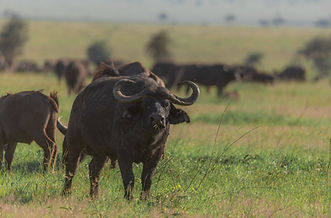
This is a specialized version of the fly-in safari focused entirely on the Serengeti. It’s ideal for travelers whose priority is seeing large predators and the Great Migration (seasonal).

In this category, travelers share a safari vehicle with others, helping to reduce costs. It’s a popular option for solo travelers and those looking for a social safari experience.
Related Questions about 2 Day Tanzania Safari
1. What wildlife can I expect to see on a 2-day safari?
In a 2-day safari, you can expect to see a range of wildlife, especially if you visit parks like Ngorongoro and Tarangire:
The Big Five: These iconic animals (lions, elephants, leopards, buffalo, and rhinos) are often on the must-see list for safari-goers. Ngorongoro is particularly good for spotting them all in a single day.
Other mammals: Depending on the park, you might also see giraffes, zebras, wildebeests, hippos, and cheetahs. Tarangire is known for its large herds of elephants and diverse antelope species.
Birdlife: Tanzania boasts over 1,000 bird species. Lake Manyara is famous for its birdwatching opportunities, including pelicans, flamingos, and various raptors.
Unique landscapes: Besides the wildlife, you will also experience the unique geographical features of each park, from the crater walls of Ngorongoro to the vast savannahs of the Serengeti and the lush forests of Lake Manyara.
2. What is the best time of year for a 2-day safari?
The best time for a 2-day safari largely depends on your wildlife viewing goals:
Dry Season (June to October): This is considered the peak safari season. Animals are easier to spot as they congregate around water sources. This is also the best time to witness the Great Migration in the Serengeti. Expect dry weather, making it comfortable for game drives.
Wet Season (November to May): While wildlife viewing can be more challenging due to dense vegetation and scattered water sources, this season has its advantages. It’s a great time for birdwatching, with many migratory birds arriving, and young animals are born, creating opportunities for witnessing interactions between mothers and their young.
3. Is it safe to go on a 2-day safari?
Yes, going on a safari in Tanzania is generally safe, especially when you book through reputable tour operators. Here are a few safety considerations:
Professional Guides: Tour guides in Tanzania are trained to handle wildlife encounters and understand animal behavior, ensuring your safety. They are knowledgeable about the parks and can keep you informed about safety protocols.
Wildlife Encounters: Safaris are conducted from vehicles, keeping a safe distance from the animals. It's essential to follow the guide's instructions, such as remaining seated in the vehicle and not feeding animals.
Health and Safety: Ensure you are aware of any necessary vaccinations and take precautions against malaria. It’s wise to travel with a basic first-aid kit.
4. How much does a 2-day safari cost?
The cost of a 2-day safari can vary widely based on several factors, including the type of accommodation, the parks visited, the time of year, and the tour operator.
Budget Options: For budget travelers, costs can range from $400 to $600 per person for basic camping safaris, which include transportation, meals, and park fees.
Mid-range Options: For mid-range lodges, expect to pay between $600 to $1,200 per person. This price typically includes guided tours, accommodation in lodges, and some meals.
Luxury Options: High-end safari experiences, including luxury lodges and tented camps, can cost anywhere from $1,200 to $2,500 or more per person, depending on the amenities and services offered.
It’s essential to compare packages and ensure that they include all necessary costs (like park fees) to avoid surprises.
5. What type of accommodation is available during a 2-day safari?
Accommodation options vary widely in Tanzania, and your choice will depend on your budget and comfort level:
Lodges: Many lodges offer a comfortable stay with amenities like private bathrooms, hot showers, and dining facilities. They often provide stunning views of the surrounding landscapes. Examples include Ngorongoro Serena Lodge and Tarangire Safari Lodge.
Tented Camps: For a more immersive experience, consider staying in tented camps, which provide comfortable beds and en-suite bathrooms while allowing you to be closer to nature. These can range from luxury glamping to more basic options.
Budget Campsites: If you're traveling on a budget, campsites are available, where you can pitch your tent. While basic, these sites often allow for a more authentic camping experience. Shared facilities are usually available.
6. How much time will I spend driving versus on game drives?
The balance between driving and game viewing can vary based on your itinerary, but here’s a general idea:
Game Drives: Expect to spend about 4 to 6 hours per day on game drives, exploring the parks and looking for wildlife. Many safaris start early in the morning to catch animals during their active hours.
Travel Time: Depending on the parks you choose, you might spend 2 to 4 hours traveling between them. For example, traveling from Arusha to Tarangire or Ngorongoro will take a couple of hours. Choosing parks that are close together can maximize your game drive time.
7. Do I need a visa or special vaccinations for a safari?
Yes, there are a few entry requirements and health considerations:
Visa: Most nationalities require a visa to enter Tanzania, which can often be obtained online or upon arrival at the airport. It’s advisable to check the latest visa requirements based on your nationality.
Vaccinations: While not all vaccinations are mandatory, it is recommended to get vaccinated for yellow fever if you’re arriving from a country with risk. Other vaccines, such as hepatitis A, typhoid, and tetanus, are also recommended. Consult with a travel clinic to discuss your specific health needs.
Malaria Prevention: Depending on the region you’re visiting, consider taking antimalarial medication as a preventive measure. Consult with your healthcare provider for recommendations based on your travel plans.