

.png)
Warum wir die ideale Wahl für Ihre zweitägige Safari-Tour in Tansania sind
✅ Zugelassener Reiseveranstalter
✅ All-inclusive-Pakete
✅ Hervorragende Kundenbewertungen
Was ist eine zweitägige Safari in Tansania?
Eine zweitägige Tansania-Safari ist ein kurzes Wildtierabenteuer für Reisende, die Tansanias berühmte Nationalparks in kurzer Zeit erleben möchten. Diese Art von Safari dauert in der Regel eine Nacht und zwei Tage und bietet eine kompakte, aber lohnende Gelegenheit, die besten Reiseziele wie die Serengeti, den Ngorongoro-Krater und den Tarangire-Nationalpark zu erkunden.
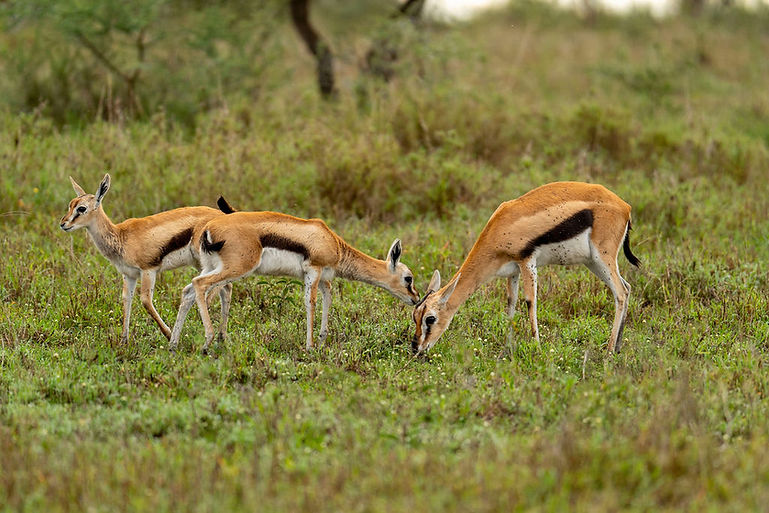
Trotz der kurzen Dauer bietet eine gut geplante zweitägige Safari Gelegenheit für mehrere Pirschfahrten, bei denen Besucher eine Vielzahl von Wildtieren beobachten können, darunter Löwen, Elefanten, Giraffen, Zebras und in manchen Fällen sogar die „Big Five“.
Höhepunkte der Safari
Eine zweitägige Safari in Tansania ist ein kurzes, aber spannendes Abenteuer, bei dem Sie in kurzer Zeit einen echten Eindruck von der Tierwelt und den Landschaften Tansanias gewinnen. Sie ist ideal für Reisende, die während eines Besuchs auf Sansibar oder eines Aufenthalts in Arusha ein kurzes Safari-Erlebnis genießen möchten.
Flexible Einstiegsmöglichkeiten
Starten Sie Ihre Safari vom internationalen Flughafen Sansibar, Arusha oder Kilimandscharo aus
Anreise mit dem Flugzeug oder mit dem Auto
Nutzen Sie Ihre Zeit optimal mit kurzen Flügen oder genießen Sie malerische Autofahrten durch Tansania
Das große Spiel in nur zwei Tagen
Beobachten Sie Löwen, Elefanten, Giraffen und viele andere Tiere in weltberühmten Parks wie der Serengeti und dem Ngorongoro-Krater
Verschiedene Komfortstufen
Wählen Sie zwischen preisgünstigem Camping, Unterkünften der mittleren Preisklasse oder luxuriösen Safari-Erlebnissen
Ideal für Kurztrips
Ideal für Reisende mit wenig Zeit oder für diejenigen, die eine Safari mit einem Strandurlaub auf Sansibar verbinden
Wo kann eine zweitägige Safari in Tansania beginnen?
Einer der größten Vorteile einer zweitägigen Safari in Tansania ist die Flexibilität bei der Wahl des Startortes. Ganz gleich, ob Sie aus dem Ausland anreisen oder bereits in Tansania unterwegs sind – Sie können Ihre Safari von mehreren zentralen Orten aus beginnen, die jeweils unterschiedliche Vorteile hinsichtlich Reisezeit, Kosten und Gesamterlebnis bieten.
Ab Sansibar
Sansibar ist einer der beliebtesten Ausgangspunkte, insbesondere für Reisende, die einen Strandurlaub mit einer Safari verbinden möchten.
→ So funktioniert es: Sie nehmen einen kurzen Inlandsflug von Sansibar zu Parks wie der Serengeti oder in die Nähe des Ngorongoro-Krater
→ Reisezeit: ca. 1–2 Stunden mit dem Flugzeug
Beste Art von Safari: Fly-in-Safaris
Warum sollten Sie Sansibar als Ausgangspunkt wählen?
→ Nahtloser Übergang vom Strand in die Natur
→ Spart Zeit im Vergleich zur Fahrt mit der Fähre und über die Straße
→ Ideal für Hochzeitsreisende und Kurzurlauber
Ab Arusha
Die Stadt Arusha gilt als die Safari-Hauptstadt Tansanias und ist der wichtigste Ausgangspunkt für die meisten Safaris auf der Nordroute.
→ So funktioniert es: Beginnen Sie Ihre Safari direkt auf der Straße zu den nahegelegenen Parks
→Fahrzeit:
Tarangire: ca. 2–3 Stunden
Ngorongoro: ca. 3–4 Stunden
→Die besten Safari-Arten: preisgünstige Safaris, Safaris der mittleren Preisklasse, Safaris in der Gruppe und Camping-Safaris
Warum in Arusha starten?
→ Große Auswahl an Safaris und Preisklassen
→ Keine Flüge erforderlich (günstiger)
→ Einfache Logistik und tägliche Abfahrten
Ab dem Kilimanjaro International Airport (JRO)
Für internationale Reisende ist der Kilimanjaro International Airport das wichtigste Tor zum Safari-Gebiet im Norden Tansanias.
→ So funktioniert es: Sie landen am Flughafen JRO und fahren mit dem Auto weiter oder nehmen einen kurzen Anschlussflug zu den nahegelegenen Parks
→ Fahrzeit: 1–3 Stunden nach Arusha, dann weiter zu den Parks
→ Empfohlene Safari-Art: Lodge-Safaris, private Safaris oder Safaris mit Fluganreise
Warum hier anfangen?
→ Direkter Zugang nach der internationalen Ankunft
→ Gute Anbindung an die Serengeti, den Ngorongoro und den Tarangire-Nationalpark
→ Ideal für Reisende, die speziell für eine Safari nach Tansania fliegen
Ab Moshi (in der Nähe des Kilimandscharo)
Moshi liegt in der Nähe des Kilimandscharo und ist ein weiterer praktischer Ausgangspunkt, insbesondere für Bergsteiger, die eine Wanderung beenden.
→ So funktioniert es: Transfer von Moshi nach Arusha, anschließend Weiterfahrt zu den Parks
→ Fahrzeit: ca. 1–2 Stunden nach Arusha
Die beste Art von Safari: Private oder maßgeschneiderte Safaris
Warum Moshi?
→ Ideal nach einer Kilimandscharo-Besteigung
→ Weniger überlaufen als Arusha
→ Einfacher Anschluss an Safari-Routen
Sehenswürdigkeiten auf einer zweitägigen Safari in Tansania (Nordroute)
Eine zweitägige Tansania-Safari im Northern Circuit ist eine kurze, aber sehr lohnende Reise. Der Schwerpunkt liegt auf den besten Nationalparks in der Nähe von Arusha, wo Sie in kurzer Zeit und ohne lange Fahrstrecken viele Tiere beobachten können.
Im Folgenden finden Sie die wichtigsten Parks, die Sie während einer zweitägigen Safari besuchen können:
Ngorongoro-Krater
Der Ngorongoro-Krater ist einer der besten Orte in Tansania, um Wildtiere zu beobachten. Es handelt sich um einen großen Vulkankrater, in dem das ganze Jahr über zahlreiche Tiere zu sehen sind.
Hier kann man Löwen, Elefanten, Büffel, Zebras und Flusspferde beobachten. Es ist zudem einer der wenigen Orte, an denen man ein Spitzmaulnashorn sehen kann. Da sich die Tiere innerhalb des Kraters aufhalten, lassen sich in kurzer Zeit viele Tiere beobachten.
Auch die Aussicht ist wunderschön, mit grünen Ebenen und hohen Kraterwänden rundherum.
Tarangire-Nationalpark
Der Tarangire-Nationalpark ist bekannt für seine großen Elefantenherden und riesigen Affenbrotbäume.
Während der Trockenzeit kommen viele Tiere zum Tarangire-Fluss, um zu trinken. Das macht ihn zu einem idealen Ort, um Elefanten, Giraffen, Zebras, Gnus und manchmal auch Löwen zu beobachten.
Der Park ist weniger überlaufen als andere, sodass Sie eine ruhige und naturnahe Safari erleben können.
Nationalpark Lake Manyara
Der Lake-Manyara-Nationalpark ist bekannt für seine wunderschöne Natur und seine vielfältigen Landschaften.
Der Park ist bekannt für seine baumkletternden Löwen, auch wenn diese nicht immer leicht zu sehen sind. Außerdem kann man hier Elefanten, Flusspferde, Affen und viele Vögel, darunter Flamingos am Seeufer, beobachten.
Dieser Park ist eine gute Wahl, wenn Sie die Natur, Vögel und grüne Umgebung mögen.
Serengeti-Nationalpark
Der Serengeti-Nationalpark ist einer der berühmtesten Safariparks der Welt. Er ist bekannt für seine weiten, offenen Ebenen und seine zahlreichen Wildtiere.
Hier kannst du Löwen, Geparden, Elefanten, Giraffen und riesige Herden von Gnus und Zebras beobachten. Mit etwas Glück kannst du auch die Große Wanderung miterleben, bei der sich Millionen von Tieren über die Ebenen bewegen.
Auch wenn die Serengeti sehr groß ist, lässt sie sich dank Flugverbindungen dennoch in kurze Safari-Reisen einbauen, insbesondere für Reisende mit begrenztem Zeitbudget.
Arusha-Nationalpark
Der Arusha-Nationalpark ist der der Stadt Arusha am nächsten gelegene Park und eignet sich daher ideal, wenn Sie nur wenig Zeit haben.
Der Park bietet abwechslungsreiche Landschaften, darunter Wälder, Seen und Ausblicke auf den Mount Meru. Man kann dort Giraffen, Zebras, Büffel und Affen beobachten.
Es ist zudem einer der wenigen Parks, in denen man Wandersafaris unternehmen oder Kanu fahren kann, was ein ganz anderes Erlebnis bietet als die üblichen Pirschfahrten.
Die besten Parkkombinationen für eine zweitägige Safari
Um Ihre Zeit optimal zu nutzen, umfasst eine zweitägige Safari in der Regel zwei Parks. Beliebte Kombinationen sind:
→ Tarangire-Nationalpark + Ngorongoro-Krater (sehr beliebt)
→ Lake-Manyara-Nationalpark + Ngorongoro-Krater
→ Arusha-Nationalpark + Ngorongoro-Krater
→ Tarangire-Nationalpark + Lake-Manyara-Nationalpark
→ Serengeti-Nationalpark (Anreise per Flugzeug möglich)
Mit diesen Kombinationen können Sie in kurzer Zeit verschiedene Tiere und Landschaften entdecken.
Arten von 2-tägigen Tansania-Safari-Paketen
Eine zweitägige Safari in Tansania lässt sich ganz auf unterschiedliche Reisestile, Budgets und Erwartungen zuschneiden. Ganz gleich, ob Sie ein einfaches Abenteuer oder ein Erlebnis der Extraklasse suchen – es gibt eine Safari-Option, die genau auf Ihre Bedürfnisse zugeschnitten ist und Ihnen dennoch hervorragende Wildtierbeobachtungen in Parks wie dem Arusha-Nationalpark, dem Serengeti-Nationalpark, dem Tarangire-Nationalpark und dem Ngorongoro-Krater bietet.
I. Budget-Camping-Safari – Einfach und erschwinglich
Eine preisgünstige Camping-Safari ist die kostengünstigste Möglichkeit, die Tierwelt Tansanias zu erleben, ohne dabei auf das eigentliche Safari-Erlebnis verzichten zu müssen. Sie übernachten auf öffentlichen Campingplätzen, die sich oft in oder in der Nähe von Nationalparks befinden, wo Sie nachts den Klängen der Natur lauschen können. Die Unterbringung ist einfach: Sie übernachten in Kuppelzelten, nutzen Gemeinschaftssanitäranlagen und werden von Ihrem Safari-Koch verpflegt.
Diese Option ist ideal für Studenten, Rucksacktouristen und abenteuerlustige Reisende, denen das Erlebnis wichtiger ist als Komfort. Trotz des günstigeren Preises kommen Sie in den Genuss von geführten Pirschfahrten und haben hervorragende Chancen, Wildtiere zu beobachten.
II. Safari in einer Lodge der mittleren Preisklasse – Komfort und ein gutes Preis-Leistungs-Verhältnis
Die Safari in der Mittelklasse bietet die perfekte Balance zwischen Komfort und erschwinglichen Preisen. Sie übernachten in komfortablen Lodges oder Zeltcamps mit Privatzimmern, eigenem Bad und Vollpension.
Diese Option ist besonders bei Paaren, kleinen Gruppen und Familien beliebt, die ein entspanntes Safari-Erlebnis ohne die Kosten einer Luxusreise suchen. Nach einem Tag voller Pirschfahrten kehren Sie in eine komfortable Umgebung zurück, in der Sie sich entspannen und einen erstklassigen Service genießen können.
III. Luxus-Safari – Ein Erlebnis der Extraklasse
Eine Luxus-Safari richtet sich an Reisende, die Exklusivität, Komfort und erstklassigen Service suchen. Die Unterbringung erfolgt in hochwertigen Lodges oder luxuriösen Zeltcamps in erstklassigen Wildtiergebieten, oft mit außergewöhnlicher Aussicht und persönlichem Service.
Einige Luxuspakete beinhalten auch Flugoptionen, sodass Sie lange Autofahrten vermeiden und Ihre Zeit in den Parks optimal nutzen können. Diese Art von Safari ist ideal für Hochzeitsreisende, VIP-Gäste oder alle, die ein einmaliges Erlebnis mit höchstem Komfort suchen.
IV. Private Safari – Flexibel und individuell
Bei einer privaten Safari haben Sie die volle Kontrolle über Ihr Erlebnis. Sie reisen in einem privaten Fahrzeug mit einem persönlichen Reiseleiter, sodass Sie Ihr eigenes Tempo bestimmen, Ihre bevorzugten Parks auswählen und mehr Zeit bei Tierbeobachtungen verbringen können, die Sie interessieren.
Diese Option ist ideal für Paare, Familien oder kleine Gruppen, die Wert auf Privatsphäre, Flexibilität und ein individuelleres Safari-Erlebnis legen.
Kosten für eine zweitägige Safari in Tansania
Die Kosten für eine zweitägige Safari in Tansania hängen von der Art der Safari, dem Komfortniveau, der Anzahl der Reisenden und dem Startort der Safari ab. Safaris, die in Arusha beginnen, sind in der Regel günstiger, während solche, die auf Sansibar starten, unter Umständen teurer sind, da sie Inlandsflüge beinhalten.
Nachfolgend finden Sie eine allgemeine Preisübersicht, die Ihnen helfen soll, die verschiedenen Optionen besser zu verstehen:
1. Budget / Camping-Safari
Dies ist die günstigste Option und ideal für Reisende, denen einfache Unterkünfte nichts ausmachen. Sie übernachten auf öffentlichen Campingplätzen und teilen sich ein Safarifahrzeug.
Preisspanne:
250–450 USD pro Person (ab Arusha)
600–900 USD pro Person (ab Sansibar, inklusive Flüge)
2. Safari der mittleren Preisklasse (beliebteste Option)
Diese Option bietet ein gutes Preis-Leistungs-Verhältnis. Sie übernachten in Lodges oder Zeltcamps mit Privatzimmern, Verpflegung und gutem Service.
Preisspanne:
450–800 USD pro Person (ab Arusha)
900–1.300 USD pro Person (ab Sansibar)
3. Luxus-Safari
Luxus-Safaris bieten erstklassige Lodges, erstklassigen Service und mehr Privatsphäre. Diese Option ist ideal für Hochzeitsreisende oder Reisende, die ein Erlebnis der Extraklasse suchen.
Preisspanne:
800–1.500+ USD pro Person (ab Arusha)
1.400–2.500+ USD pro Person (ab Sansibar)
Wichtig:
Alle diese Safarimöglichkeiten können je nach Ihrem Aufenthaltsort von verschiedenen Orten aus starten – sei es von Sansibar, Arusha oder direkt nach Ihrer Ankunft am Kilimanjaro International Airport. Transfers auf der Straße oder Inlandsflüge können jederzeit organisiert werden, um einen reibungslosen und bequemen Start Ihrer Safari zu gewährleisten.
Planen Sie Ihre Safari in nur wenigen Minuten – schnell, einfach und ganz ohne Schreibarbeit! Keine Gebühren, schnelle Antwort.
Beispielreisepläne für eine 2-tägige Safari in Tansania

Dieses Angebot richtet sich an Reisende, die sich auf Sansibar aufhalten und eine Safari auf dem Festland erleben möchten, ohne lange Anfahrtszeiten in Kauf nehmen zu müssen. Es umfasst in der Regel Hin- und Rückflüge zu Parks wie der Serengeti oder dem Ngorongoro-Krater.

Eine Lodge-Safari bietet komfortable Unterkünfte in Mittelklasse- oder Luxus-Lodges, die in der Nähe von oder direkt in Nationalparks liegen. Sie ist ideal für alle, die nach den Pirschfahrten Komfort und Entspannung suchen.
.jpg)
Bei einer Flugsafari können Sie den Transfer auf der Straße vermeiden und Ihre Zeit im Park optimal nutzen. Die Flüge starten entweder von Sansibar oder Arusha und landen direkt in den besten Wildtiergebieten.

Camping-Safaris bieten ein abenteuerlicheres und kostengünstigeres Erlebnis. Die Reisenden übernachten auf öffentlichen oder privaten Campingplätzen, oft mitten in der Natur, und werden von Safariköchen verpflegt.
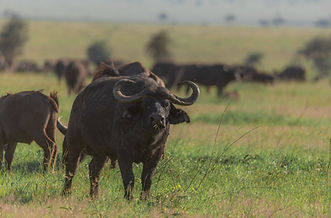
Dies ist eine spezielle Variante der Fly-in-Safari, die sich ganz auf die Serengeti konzentriert. Sie ist ideal für Reisende, deren Hauptinteresse der Beobachtung von Großraubtieren und der Großen Wanderung (saisonal) gilt.

In dieser Kategorie teilen sich Reisende ein Safarifahrzeug mit anderen, was zur Kostensenkung beiträgt. Dies ist eine beliebte Option für Alleinreisende und alle, die ein geselliges Safari-Erlebnis suchen.
Verwandte Fragen zur 2-tägigen Tansania-Safari
1. Welche Wildtiere kann ich auf einer 2-Tages-Safari sehen?
Auf einer zweitägigen Safari können Sie mit der Sichtung einer Vielzahl unterschiedlicher Wildtiere rechnen, insbesondere wenn Sie Parks wie Ngorongoro und Tarangire besuchen:
Die Big Five: Diese ikonischen Tiere (Löwen, Elefanten, Leoparden, Büffel und Nashörner) stehen bei Safari-Besuchern oft ganz oben auf der Liste der Tiere, die man unbedingt sehen muss. Ngorongoro eignet sich besonders gut dafür, sie alle an einem einzigen Tag zu sehen.
Andere Säugetiere: Je nach Park können Sie auch Giraffen, Zebras, Gnus, Flusspferde und Geparden sehen. Tarangire ist bekannt für seine großen Elefantenherden und diversen Antilopenarten.
Vogelwelt: Tansania bietet über 1.000 Vogelarten. Der Lake Manyara ist berühmt für seine Möglichkeiten zur Vogelbeobachtung, darunter Pelikane, Flamingos und verschiedene Raubvögel.
Einzigartige Landschaften: Neben der Tierwelt erleben Sie auch die einzigartigen geografischen Besonderheiten jedes Parks, von den Kraterwänden des Ngorongoro bis zu den ausgedehnten Savannen der Serengeti und den üppigen Wäldern des Lake Manyara.
2. Welche Jahreszeit ist für eine 2-tägige Safari am besten geeignet?
Die beste Zeit für eine zweitägige Safari hängt weitgehend von Ihren Zielen bei der Tierbeobachtung ab:
Trockenzeit (Juni bis Oktober): Dies ist die Hauptsaison für Safaris. Tiere sind leichter zu entdecken, da sie sich um Wasserquellen herum versammeln. Dies ist auch die beste Zeit, um die Große Migration in der Serengeti zu beobachten. Erwarten Sie trockenes Wetter, was die Pirschfahrten angenehm macht.
Regenzeit (November bis Mai): Obwohl die Tierbeobachtung aufgrund der dichten Vegetation und der verstreuten Wasserquellen schwieriger sein kann, hat diese Jahreszeit auch ihre Vorteile. Es ist eine großartige Zeit für die Vogelbeobachtung, da viele Zugvögel ankommen und Jungtiere geboren werden, was Gelegenheit bietet, die Interaktionen zwischen Müttern und ihren Jungen zu beobachten.
3. Ist es sicher, auf eine 2-tägige Safari zu gehen?
Ja, eine Safari in Tansania ist im Allgemeinen sicher, insbesondere wenn Sie bei einem seriösen Reiseveranstalter buchen. Hier sind einige Sicherheitshinweise:
Professionelle Reiseführer: Reiseleiter in Tansania sind für den Umgang mit Wildtieren ausgebildet und verstehen das Verhalten der Tiere, um Ihre Sicherheit zu gewährleisten. Sie kennen sich in den Parks gut aus und können Sie über Sicherheitsprotokolle auf dem Laufenden halten.
Begegnungen mit Wildtieren: Die Safaris werden von Fahrzeugen aus durchgeführt, wobei ein sicherer Abstand zu den Tieren eingehalten wird. Es ist wichtig, den Anweisungen des Führers zu folgen, z. B. im Fahrzeug sitzen zu bleiben und die Tiere nicht zu füttern.
Gesundheit und Sicherheit: Informieren Sie sich über die erforderlichen Impfungen und treffen Sie Vorkehrungen gegen Malaria. Es ist ratsam, mit einem einfachen Erste-Hilfe-Set zu reisen.
4. Wie viel kostet eine 2-tägige Safari?
Die Kosten für eine zweitägige Safari können je nach verschiedenen Faktoren stark variieren, darunter die Art der Unterkunft, die besuchten Parks, die Jahreszeit und der Reiseveranstalter.
Budgetoptionen: Für preisbewusste Reisende können die Kosten zwischen 400 und 600 USD pro Person für einfache Campingsafaris liegen, die Transport, Mahlzeiten und Parkgebühren beinhalten.
Mittelklasse-Optionen: Für Mittelklasse-Lodges müssen Sie mit 600 bis 1.200 USD pro Person rechnen. Dieser Preis beinhaltet normalerweise geführte Touren, Unterkunft in Lodges und einige Mahlzeiten.
Luxusoptionen: Safari-Erlebnisse der gehobenen Klasse, einschließlich Luxus-Lodges und Zeltlagern, können je nach den angebotenen Annehmlichkeiten und Dienstleistungen zwischen 1.200 und 2.500 USD oder mehr pro Person kosten.
Um Überraschungen zu vermeiden, sollten Sie die Pakete unbedingt vergleichen und darauf achten, dass sie alle notwendigen Kosten (wie etwa Parkgebühren) enthalten.
5. Welche Art von Unterkunft gibt es während einer 2-tägigen Safari?
In Tansania gibt es sehr unterschiedliche Unterkunftsmöglichkeiten. Ihre Wahl hängt von Ihrem Budget und Ihrem Komfortniveau ab:
Lodges: Viele Lodges bieten einen komfortablen Aufenthalt mit Annehmlichkeiten wie privaten Badezimmern, Warmwasserduschen und Speisemöglichkeiten. Sie bieten oft einen atemberaubenden Blick auf die umliegende Landschaft. Beispiele sind die Ngorongoro Serena Lodge und die Tarangire Safari Lodge.
Zeltlager: Für ein noch intensiveres Erlebnis sollten Sie einen Aufenthalt in Zeltlagern in Erwägung ziehen. Diese bieten bequeme Betten und ein eigenes Bad und ermöglichen Ihnen gleichzeitig, näher an der Natur zu sein. Die Auswahl reicht von luxuriösem Glamping bis hin zu einfacheren Optionen.
Budget-Campingplätze: Wenn Sie mit kleinem Budget reisen, stehen Campingplätze zur Verfügung, auf denen Sie Ihr Zelt aufschlagen können. Diese Plätze sind zwar einfach, ermöglichen aber oft ein authentischeres Campingerlebnis. Normalerweise stehen Gemeinschaftseinrichtungen zur Verfügung.
6. Wie viel Zeit werde ich mit Autofahren im Vergleich zu Pirschfahrten verbringen?
Das Verhältnis zwischen Fahren und Wildbeobachtung kann je nach Reiseroute variieren, hier ist jedoch eine allgemeine Vorstellung:
Pirschfahrten: Planen Sie etwa 4 bis 6 Stunden pro Tag für Pirschfahrten ein, um die Parks zu erkunden und nach Wildtieren Ausschau zu halten. Viele Safaris beginnen früh am Morgen, um Tiere während ihrer aktiven Stunden zu erleben.
Reisezeit: Je nachdem, welchen Park Sie auswählen, können Sie zwischen 2 und 4 Stunden für die Fahrt zwischen den Parks benötigen. Beispielsweise dauert die Fahrt von Arusha nach Tarangire oder Ngorongoro mehrere Stunden. Wenn Sie nahe beieinander liegende Parks auswählen, können Sie Ihre Zeit für die Wildbeobachtungsfahrt maximieren.
7. Brauche ich ein Visum oder spezielle Impfungen für eine Safari?
Ja, es gibt einige Zugangsvoraussetzungen und gesundheitliche Aspekte:
Visum: Für die Einreise nach Tansania ist für die meisten Nationalitäten ein Visum erforderlich. Dieses ist häufig online oder bei der Ankunft am Flughafen erhältlich. Es ist ratsam, die aktuellen Visabestimmungen für Ihre Nationalität zu prüfen.
Impfungen: Obwohl nicht alle Impfungen vorgeschrieben sind, wird empfohlen, sich gegen Gelbfieber impfen zu lassen, wenn Sie aus einem Risikoland anreisen. Andere Impfungen wie Hepatitis A, Typhus und Tetanus werden ebenfalls empfohlen. Wenden Sie sich an eine Reiseklinik, um Ihre spezifischen Gesundheitsbedürfnisse zu besprechen.
Malariaprävention: Je nachdem, welche Region Sie besuchen, sollten Sie als vorbeugende Maßnahme die Einnahme von Malariamedikamenten in Erwägung ziehen. Wenden Sie sich an Ihren Arzt, um Empfehlungen zu Ihren Reiseplänen zu erhalten.